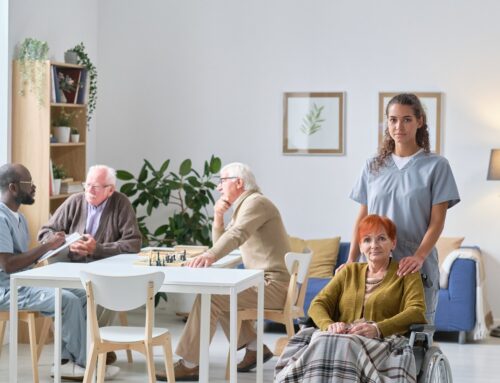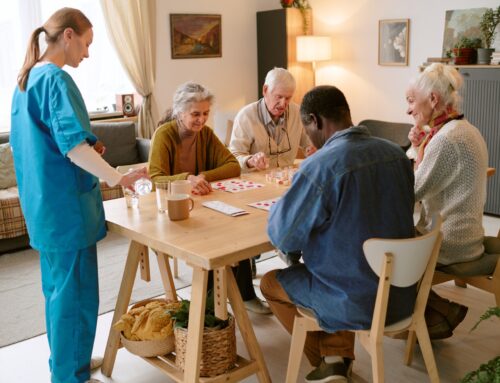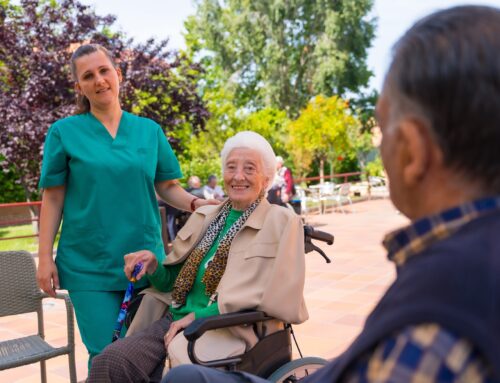
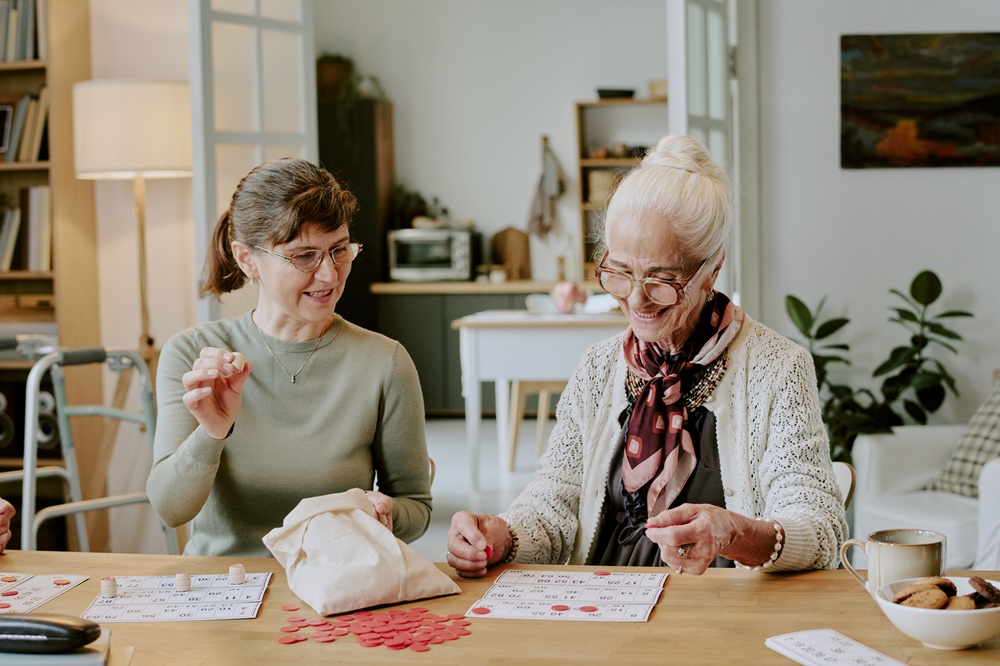
At Bayshire San Dimas, we recognize that assisted living is not just about offering basic care services to seniors. Instead, it’s a reflects the community’s commitment to fostering a thriving, lively aging experience for seniors. With this in mind, they offer residents a wide range of activities that support their holistic well-being. Besides mental and physical well-being, it also focuses on their social and spiritual well-being. They ensure residents feel that moving to assisted living feels more like a second home than a care setting. Let’s look at how assisted living supports residents’ comprehensive well-being.
Combats Loneliness & Isolation
Embracing social connections becomes a real challenge for many seniors. They lose their past connections while finding it difficult to form new relationships. Some of their closest friends might have died or may be living far away, causing them to feel lonely and alone. Moreover, their family members may not be able to provide the necessary social support due to their own busy lives.
Spending time alone without the necessary support can start to affect their health and well-being. To help prevent isolation, senior assisted living offers a range of activities that promote shared connections and meaningful relationships. This includes physical activities, cognitive and creative pursuits, social events, and offering opportunities for purpose.
Boosts Physical Health
Declining overall physical health is the primary reason seniors move to assisted living. Being unable to navigate their spaces, run errands, and continue daily activities requires them to seek professional assistance from an assisted living community. Moving to assisted living allows them to preserve their strength, balance, and mobility. This is done by participating in structured fitness programs and activities that reinforce their physical abilities.
Some of these fitness programs and activities include chair yoga, water aerobics, walking groups, and more. Taking part in these organized activities supports seniors’ heart health and blood pressure, and enhances their sleep quality. Besides this physical support, they get to live in a community designed to promote natural movement without challenging seniors’ evolving abilities. As a result, they experience enhanced overall well-being.
Sharpens Cognitive Function
Seniors’ cognitive function naturally declines with age. This results in them experiencing a decline in essential mental processes such as attention, memory, language, executive functions, visual-spatial processing, and processing speed. While averting it entirely isn’t possible, it can be slowed with the right mental stimulation. Assisted living offers seniors a range of activities that boost their cognitive function.
Some of the mentally stimulating activities the community organizes include puzzles, games, arts & crafts, brain exercises, gardening, and more. The staff also promotes learning and hobby-based outlets, such as music and language learning. Each resident can participate in activities that matches their personality and preferences. Participating in these activities fosters memory function, increases attention, improves problem-solving skills, and eventually sharpens cognitive function.
Provides Purpose & Fulfillment
Many seniors experience a lack of purpose in their later years. In the absence of meaningful goals or structure, they find it challenging to lead a high-quality life. To instill a sense of purpose and fulfillment, assisted living plays a significant role. They focus on ensuring that seniors never feel isolated and remain content in the community.
In addition, the community promotes a range of hobbies and creative pursuits that naturally draw seniors’ interest without pressuring them to be part of the community. These include group activities such as book clubs, game nights, and outings; puzzles; and tasks that foster creativity. Participating in these activities and achieving results allows seniors to experience a sense of accomplishment and purpose.
Enhances Independence
Supporting independence is a key component of assisted living. The community encourages residents to live on their own terms while receiving support as needed. Staff respect residents’ preferences and involve them in decisions about their daily lives.
By focusing on physical health, cognitive engagement, and social connection, assisted living helps seniors maintain independence longer. Through gentle exercise, creative programs, and mental activities, residents build confidence, improve coordination, and remain socially connected.
Improves Mental & Emotional Health
True well-being includes emotional and mental health. Assisted living communities foster an environment where residents feel supported, valued, and at ease. Creative hobbies, social engagement, and purposeful activities help reduce stress and promote emotional resilience.
Residents connect during meals, outings, and group activities that enhance mood and encourage meaningful interaction. Living an active, socially engaging lifestyle helps residents feel more balanced and emotionally fulfilled.
Bayshire San Dimas—Make The Most Of Every Day
At Bayshire San Dimas, we understand that assisted living goes beyond support with daily living activities (ADLs). These communities are designed to promote connection, joy, and a vibrant lifestyle. Engaging activities play a central role in shaping residents’ daily experiences and overall quality of life.
From supporting cognitive health and physical wellness to encouraging independence and fulfillment, assisted living offers meaningful benefits. To experience these advantages, it’s important to choose a trusted assisted living community like Bayshire San Dimas.
We don’t simply keep residents busy — we help them thrive. Our daily calendar features fitness classes, cognitive programs, and recreational activities. Residents enjoy transportation services, chef-prepared meals, and group outings.
Contact us to schedule a tour and experience firsthand how Bayshire San Dimas supports a fulfilling, engaging lifestyle.