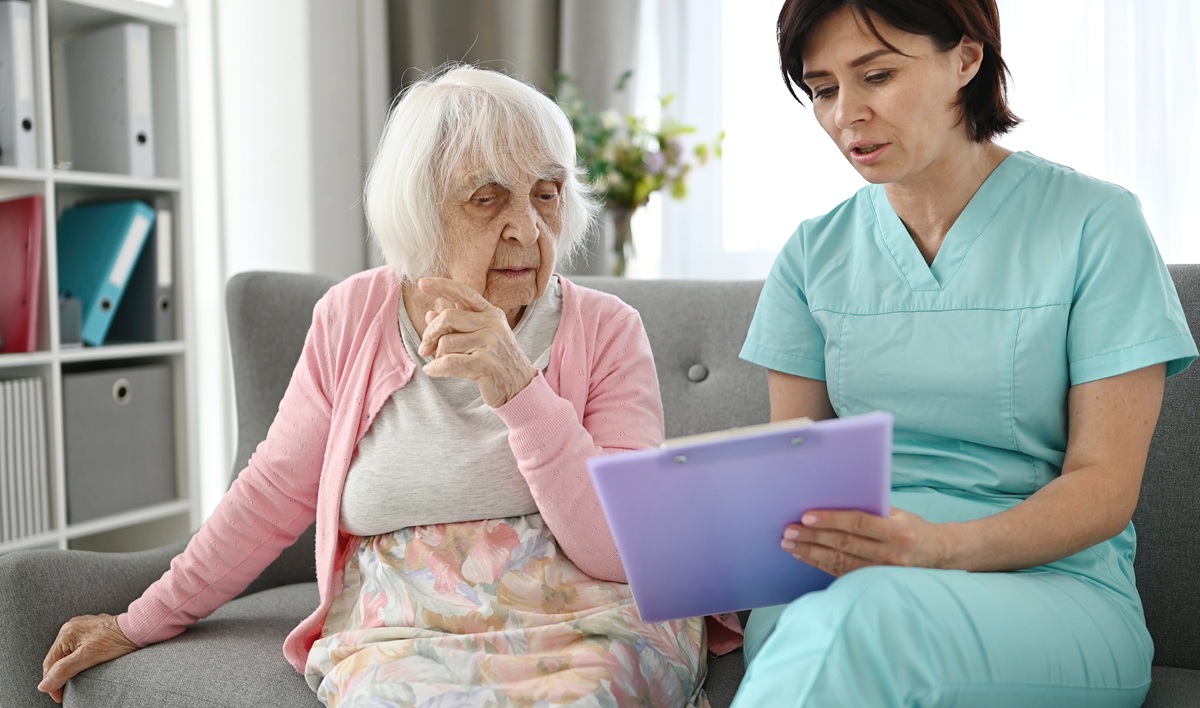
At Bayshire San Dimas, we recognize how severe conditions such as dementia and Alzheimer’s are. As distinct conditions, they require specialized care provided at a dementia care facility. With advances in modern technology, safety and care solutions for dementia patients are evolving. At the forefront of these innovations are solutions such as monitoring systems, fall-detection measures, smart home automation, telehealth services, and digital aids. In this blog, we’ll take a closer look at how technological breakthroughs are enhancing the safety and care of dementia patients.
Safety & Monitoring
Safety is the cornerstone of enabling memory care residents to lead high-quality lives. Fortunately, advances in technology have significantly improved dementia monitoring systems. This, in turn, has helped residents feel and live more safely in memory care communities. Here are a few of the safety and monitoring technologies used in memory care units to support residents’ well-being.
GPS Trackers & Wearables
Wandering is one of the most common and serious issues in people with dementia and Alzheimer’s. It’s said that 6 out of 10 people with dementia will wander at least once. To prevent these incidents, devices such as AngelSense or GPS-equipped smartwatches are used. These devices notify the caregiver if the resident wanders outside safe zones. These are also used to monitor vital signs (heart rate, activity) to detect falls or inactivity in residents.
Smart Home Sensors
Another big concern for seniors with dementia and Alzheimer’s is falls and accidents. They may unknowingly put themselves at risk. For them, smart home devices bring safety and assistance. These include motion sensors, bed sensors, and bright lights that not only help prevent falls but also detect emergencies, such as smoke or gas leaks.
AI & Analytics
AI-powered solutions are also used for analytics to analyze residents’ movements and sleep patterns. Using these, potential health issues are identified early, allowing caregivers to plan proactive care strategies.
Independence & Daily Living
Besides providing residents with better care solutions and helping them engage in activities, technological solutions are also enabling residents to lead a more independent and convenient life. For this, smart home devices, voice assistants, and digital aids are used. Here’s a breakdown of the measures used in independent living to promote greater independence for memory care residents.
Voice Assistants
At times, memory-impaired individuals can forget taking medication. For this, memory care utilizes voice assistants like Alexa or Google Home to offer medication and appointment reminders. In addition, residents can even use voice assistants to play soothing music and control home lighting.
Memory Aids
For individuals with memory impairments, memory aids offer significant value. With technology, residents can use smart speakers for voice reminders, GPS trackers for safety, automated pill dispensers, and specialized phones. Using them makes their daily tasks easier and even promotes independence.
Home Automation
Features like automated door locks and security cameras not only prevent wandering but also help maintain home security. Using these technological measures, caregivers can even do remote monitoring, fostering a better quality of life for residents.
Cognitive & Emotional Support
Besides being used for early detection of cognitive decline, technology, when integrated with AI, is being used to offer mental and emotional support to those with memory impairments. This not only helps stave off current cognitive decline but also helps reinforce lost abilities to some extent. Here’s how technology supports cognitive & emotional functioning in memory care residents.
VR/AR Therapy
VR/AR Therapy offers memory-impaired individuals engaging experiences for cognitive rehabilitation, reminiscence, and sensory stimulation. It helps them stimulate memory and mental functions, which improves their quality of life. They no longer feel very anxious and also achieve enhanced cognitive functioning.
Communication Tools
As Alzheimer’s and other forms of dementia cause communication difficulties in patients, what they need is access to specialized tools for communication. Technological measures even cater to this. Memory care communities provide residents with specialized apps, adapted phones, and video-calling assistance that allow patients to express their needs and stay connected with their families. With regular communication, memory care residents combat their issues with isolation and feel more connected with everyone around them.
Robotics
Dementia care innovations also include robotics. Memory care communities offer different types of robots, each with its own function. Socially Assistive Robots (SARs) provide companionship and social interaction. Pet-like robots offer comfort and help in stress reduction. Overall, robotics can provide consistent support and assistance to memory care residents, helping them lead a thriving life.
Caregiver Support & Care Efficiency
Technology is also making it easier for caregivers to offer better care and support to memory care residents. With eased responsibilities and streamlined operations, caregivers can focus on providing residents with more personalized care. Here are a few key technologies being used to lessen the caregiving burden while improving the quality of care.
Telehealth
Remote monitoring and video consultations reduce hospital visits and provide quick access to healthcare providers.
Data Insights
Sensors, wearables, and smart home devices provide caregivers with real-time data, giving them insights into residents’ health and behavior.
Access Person-Centered Memory Care Programs At Bayshire San Dimas
At Bayshire San Dimas, we understand how effective dementia care has become in providing better care and safety solutions for memory patients. Advancements in technological solutions have provided memory care residents with improved safety & monitoring measures. With telehealth and cognitive & social tools available, residents embrace a more independent and enhanced quality of life. Technology has also enabled caregivers to offer better-quality support to residents.
VR/AR therapy, robotics, and digital communication tools are used to offer cognitive & emotional support. With all this in action, it’s key to choose a reliable memory care community that uses these technologies to provide streamlined care and support—ensuring complete safety. Those seeking a compassionate dementia care community for their loved one can contact us at Bayshire San Dimas.
Instead of focusing solely on residents’ care and safety, we prioritize their overall well-being. In addition to modern technological measures, we also use traditional care mechanisms to ensure residents receive the highest level of support. Contact us today and learn more about how we can support your loved one with Alzheimer’s or other forms of dementia to lead a thriving life.